
Pink Beach Komodo: Why It's Unlike Any Other Beach
There are pink beaches in a handful of places around the world. But if you ask anyone who has visited Pink Beach in Komodo National Park, they'll tell you the same thing — this one is different. It's not just the color of the sand. It's the whole experience. The stillness of the water, the coral scattered along the shoreline, the wildlife that appears when you least expect it, and a sense of remoteness that makes you feel like you've genuinely found somewhere untouched.
Pusaka Timur Tour
5/11/20264 min read
Why Is the Sand Pink?
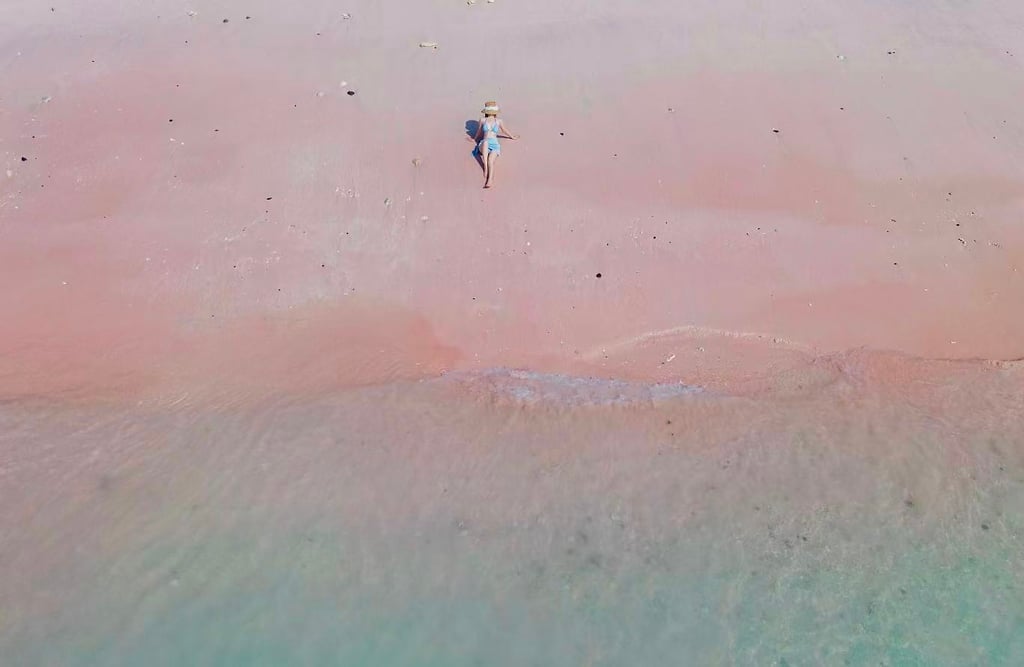
The pink color comes from tiny fragments of red coral that mix with the white sand along the shoreline. When the light hits it — especially in the morning or late afternoon — the beach takes on a warm, rose-tinted glow that looks almost surreal in person.
The coral fragments that give the beach its color are the same ones you'll find scattered naturally along the waterline. They're not placed there. They're part of the reef ecosystem that surrounds this beach, and they're one of the most beautiful natural decorations you'll find on any beach in Indonesia.
For photography, these red coral pieces sitting against the pink sand and turquoise water create combinations that are genuinely difficult to capture in a single frame because there's too much to look at.
What Makes Pink Beach Different From Other Beaches
Most beaches, even beautiful ones, are just beaches. You arrive, you swim, you leave.
Pink Beach is different because it's alive in a way that most beaches simply aren't.
The reef just offshore is one of the healthiest in Komodo National Park. The snorkeling here is exceptional — colorful fish, sea turtles, and in the right season, manta rays passing through the deeper water nearby. The visibility is usually excellent, and the water is calm enough for swimmers of all levels.
But what surprises most visitors isn't the snorkeling. It's what happens on the beach itself.
Wildlife You Don't Expect
Here's something most travel articles don't mention: Pink Beach is inside Komodo National Park, and the wildlife doesn't stop at the water's edge.
Monitor lizards are commonly spotted along the shoreline — and unlike the Komodo dragons at the ranger station, these animals are wild and completely free. They're not aggressive toward people under normal circumstances, but they move through the beach naturally and without fear of humans. Watching a large monitor lizard walk calmly along the waterline while tourists swim nearby is one of those only-in-Komodo moments.
And occasionally — not every visit, but often enough that it's worth knowing — a Komodo dragon will pass through the area. These are wild dragons moving through their natural territory. If this happens during your visit, stay calm, keep your distance, and follow your guide's instructions. It's an extraordinary thing to witness.
This is wild Indonesia. Respect it, and it rewards you with experiences that no resort or tourist attraction can manufacture.
The Red Coral Along the Shore
One detail that catches almost every visitor off guard is the red coral scattered naturally along the beach.
These pieces of coral — deep red, sometimes orange, broken into small fragments by the waves — sit right at the waterline and along the sand. Against the pink beach and blue water, they create a color palette that photographers absolutely love.
If you're planning to take photos at Pink Beach, spend some time near the waterline where the coral pieces are most concentrated. The combination of textures and colors there is genuinely unlike anything you'll find on a typical beach.
Just remember: do not take the coral home. It's protected, and it's part of what makes this beach what it is.
Best Time to Visit Pink Beach
Honestly, Pink Beach is beautiful in almost any condition — but it truly comes alive when the sun is shining. On a clear, sunny day, the pink color of the sand becomes significantly more visible, the water turns a deeper shade of turquoise, and the red coral along the shoreline catches the light in a way that makes every photo look effortless.
Overcast days are still pleasant, but if you want that iconic pink-sand-meets-blue-water combination, sunshine makes all the difference.
The dry season — April through October — tends to bring the most reliable clear skies and calm seas, which also means better snorkeling visibility. But even outside these months, a sunny day at Pink Beach is always worth it.
One thing worth knowing: there is more than one pink beach in the Komodo National Park area. If you're on a private trip, you have the flexibility to choose which one to visit based on how crowded it looks on the day — your crew can guide you toward the quieter option. On an open trip, the stops and timing are fixed in advance, so you go wherever the schedule takes you regardless of how many other boats are already there.
How to Get to Pink Beach
Pink Beach is located inside Komodo National Park and can only be reached by boat from Labuan Bajo. It's typically included as one of the stops on a Komodo day trip, alongside Padar Island, Komodo Island, and snorkeling spots.
The journey by speedboat from Labuan Bajo takes approximately 1 hours depending on sea conditions and which boat you're on.
At Pusaka Timur Tour, we include Pink Beach on all of our Komodo day trips — both private and open trip options. It's one of those stops where guests always ask to stay a little longer.
Is Pink Beach Worth It?
Without question.
Of all the places we take guests in Komodo National Park, Pink Beach is consistently the one that produces the most genuine reactions — the kind where people just stop talking and stand there taking it in.
The pink sand. The red coral. The wild monitor lizards. The crystal water. And the knowledge that you're standing somewhere that very few people in the world have ever stood.
Yes. It's worth it.
Written by Pusaka Timur Tour — Local Tour Operator in Labuan Bajo, Flores.
Contact Us
pusakatimurr@gmail.com
+62 895-2386-4694
Jln. Bidadari. Depan Puskesmas Samping Bakso Labuan Bajo, Flores, Indonesia
📍
✉️
📞
Follow Us
Payment Patners



















© 2026 Pusaka Timur Tour • Licensed Komodo Tour Operator • Made with passion in Flores, Indonesia
Red Note : Komodo旅行笔记