Best Time to Visit Komodo Island: A Month-by-Month Guide
Discover the best time to visit Komodo Island. Plan your trip with our dry season guide, diving tips, and month-by-month breakdown by Pusaka Timur Tour Labuan Bajo.
KOMODO TRAVEL GUIDE
Pusaka Timur Tour
5/2/20264 min read
Understanding the Dry and Rainy Seasons
Komodo Island experiences a tropical climate that is primarily divided into two distinct seasons: the dry season and the rainy season. The dry season occurs from April to November, while the rainy season lasts from December to March. This differentiation significantly influences travel plans and tourism activities on the island.
During the dry season, temperatures in Komodo Island range from 29°C to 34°C (84°F to 93°F), accompanied by low humidity levels and minimal rainfall. This season is characterized by bright sunny days and clear skies, which enhances outdoor activities such as trekking, snorkeling, and diving that are popular among visitors. Additionally, the vibrant marine life and unique wildlife become easily observable during this period, making it the ideal time for exploration and nature photography.
In contrast, the rainy season brings higher humidity and average temperatures around 28°C to 32°C (82°F to 90°F), with significant precipitation levels. Rainfall can range from light showers to heavy downpours, often occurring in the late afternoon or evening. Although the rains can deter some travelers, the rainy season offers a distinct beauty to Komodo Island, with lush green landscapes, blooming flora, and fewer tourists. Adventure seekers can still engage in activities; however, they may need to factor in the likelihood of rain and its potential impact on accessibility to certain sites.
Ultimately, understanding the climatic patterns of Komodo Island is essential for making informed travel decisions. Whether one prefers the dry season for clearer conditions or the rainy season for its serene ambiance, each time of year offers unique experiences that cater to different preferences.
Best Months for Diving and Snorkeling at Komodo National Park
Komodo National Park is renowned for its remarkable underwater scenery and rich marine biodiversity, making it a prime destination for divers and snorkelers alike. The best months for diving and snorkeling in this vibrant marine environment typically span from April to December. During this period, water conditions offer excellent visibility, ideal for both beginner and experienced divers.
From April to June, the water temperatures hover between 26°C to 29°C (79°F to 84°F), creating a comfortable and inviting atmosphere for underwater exploration. Visibility during these months can exceed 30 meters (around 98 feet), allowing divers to fully appreciate the stunning coral reefs and diverse marine life, including manta rays and the occasional shark. This timeframe also witnesses a surge in plankton, attracting a plethora of marine species, making it an excellent time for those engrossed in marine biology.
As the dry season progresses from July to September, water temperatures may vary slightly, averaging between 24°C to 27°C (75°F to 80°F). Although visibility tends to remain high, reaching up to 25 meters (82 feet), the variations in temperature may prompt some divers to wear thicker wetsuits. This period is particularly noteworthy for those wishing to encounter the majestic manta rays, as migration patterns peak during these months.
Post-September, conditions still remain favorable, with continued visibility and temperatures gradually rising again. October to December experiences similar comfort levels, albeit the chance of encountering strong currents increases. Therefore, advanced divers are preferred during this time. The diverse species are active year-round; however, visiting within the peak months ensures a richer diving and snorkeling experience, showcasing the vibrant ecosystem of Komodo National Park.
Optimal Times for Wildlife Observation
Komodo Island, renowned for its rich biodiversity, presents unique opportunities for observing its most famous inhabitant: the Komodo dragon. These magnificent reptiles flourish in the island's warm climate and dry landscapes. The best time to witness these creatures in their natural habitat is during the dry season, which spans from April to December. Within these months, specific periods yield the highest chances for encounters.
In particular, the months of July and August are incredibly favorable for spotting the Komodo dragon, as they are active and commonly seen basking in the sun along the island's trails. During this period, many visitors flock to the island, looking to see these magnificent creatures up close. The dry conditions during these months also make wildlife spotting easier, as animals tend to congregate around dwindling water sources.
Additionally, for those interested in observing not only Komodo dragons but also other wildlife, the shoulder months of April and October provide excellent opportunities. April marks the beginning of the dry season, where Komodo dragons emerge from their hibernation phase, while October serves as a transitional month, where wildlife is still observable before the onset of the rainy season. Visitors in these months can also enjoy opportunities to see various bird species and marine life during snorkeling or diving expeditions.
While planning visits for wildlife observation, it is crucial to prioritize safety. When encountering Komodo dragons, it is advisable to join guided tours led by experienced rangers. Not only are they knowledgeable about the dragons' behavior and habitats, but they also ensure that visitors maintain a safe distance to mitigate risks. Engaging in these tours during peak wildlife activity times enhances the overall experience of observing these iconic creatures and appreciating Komodo Island's ecological richness.
Travel Tips for Visiting Pink Beach and Padar Island
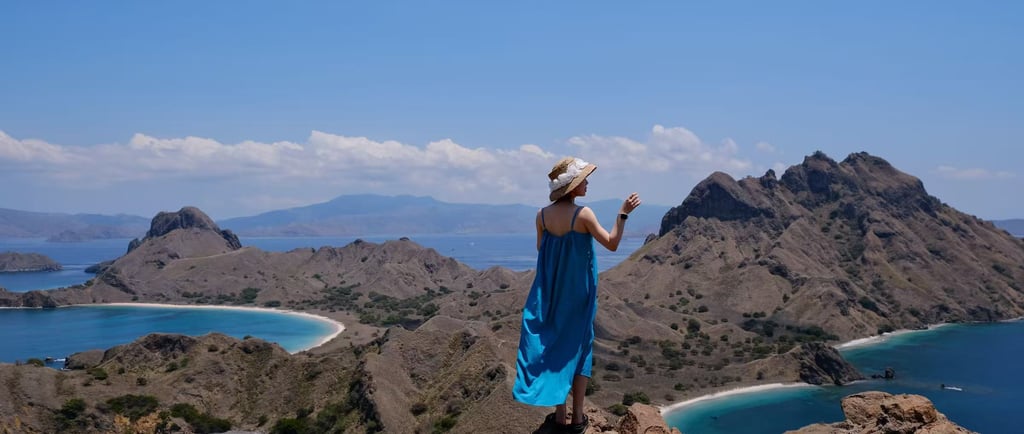
When planning a visit to Pink Beach and Padar Island, it is essential to consider the best times to experience the unique beauty of these locations. Generally, the dry season, which runs from April to September, is ideal as the weather remains predominantly sunny, and the seas are typically calmer. This period allows for better visibility during swimming and snorkeling, particularly at Pink Beach, renowned for its stunning pink sand and vibrant marine life.
Preparation is key when visiting these remarkable sites. Travelers should plan their journey in advance, ensuring they have booked transport to the islands. Speedboats or traditional wooden boats are available to ferry visitors, but it is advisable to reserve your spot early, especially during peak season. Additionally, travelers should carry essential provisions such as water, snacks, sunscreen, and hats to protect themselves from the sun as these areas offer limited facilities.
While exploring Pink Beach and Padar Island, be aware of the weather conditions. The tropical climate can be unpredictable; thus, it is wise to check the weather forecast before venturing out. Early mornings or late afternoons are typically the best times for photography, as the light during these hours enhances the natural beauty of the landscapes.
Before you set out on your adventure, it is important to be informed about any necessary permits or fees required for entrance to specific areas. Some islands or beaches may charge an entrance fee, which contributes to the preservation of these natural wonders. It is recommended to carry cash for such fees, as electronic payment options may not be available. By following these tips, visitors can enjoy a memorable experience at Pink Beach and Padar Island, while also respecting natural and local regulations.
Contact Us
pusakatimurr@gmail.com
+62 895-2386-4694
Jln. Bidadari. Depan Puskesmas Samping Bakso Labuan Bajo, Flores, Indonesia
📍
✉️
📞
Follow Us
Payment Patners



















© 2026 Pusaka Timur Tour • Licensed Komodo Tour Operator • Made with passion in Flores, Indonesia
Red Note : Komodo旅行笔记